
The bullets are the Resident Evil engine. The camera is the stick.
Cregger's AMA says you will count the magazine and feel the miss. Preview rooms already talk like players. Theory: game feel outranks the mascot roster.

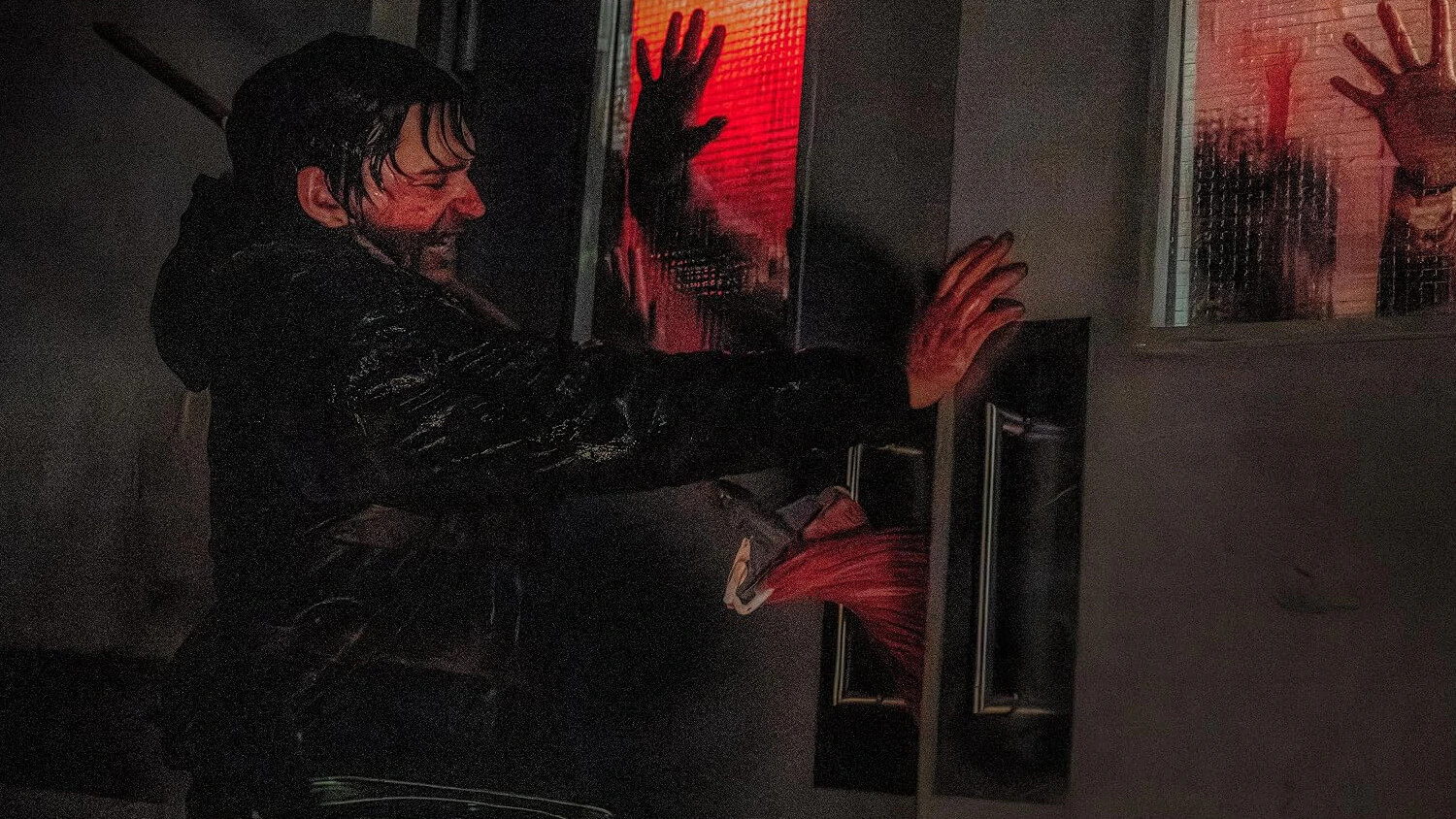
Today is Sunday, September 6, 2026, and the most interesting Resident Evil theory is not about who is missing from the poster. It is about what the camera is counting. Zach Cregger spent September 1 answering Reddit while Sony screened the first thirty minutes in Los Angeles, New York, and Dallas, and the answer that stuck to the wall was about bullets. You will know how many are in the gun. You will care when he misses. I am Bart Christoff. This is the Theories desk. The no-Leon argument already got its turn. This turn is about game feel as cinema grammar, and what that grammar implies if the full movie on September 18 actually keeps the promise.
I already filed Cregger kept Leon in the games when this aisle started arguing with itself. The callback still holds.
If you want the earlier shelf note, start with Thirty minutes is not a Resident Evil grade. I am not restating that whole fight today.
Start with the quote, because theory without a public peg is just fan fiction with better lighting. Cosmic Book News' September 2 AMA writeup has Cregger saying he loves the resource management aspect of the games and that it was really important to bring that to the movie. Then the hard line: you will know how many bullets are in his gun, you will care when he misses a shot, that intensity translates into film. He followed with a health tease. He wants viewers keenly aware of Bryan's condition as the night progresses, another game mechanic meant to heighten the narrative engine. PC Gamer ran the same answers for the games audience. iHorror folded them into the preview reaction story. The theory is not invented in this chair. The director said the quiet part with a keyboard.
A gun with five bullets is scarier than a magazine that never ends. That is not nostalgia. That is math.
Game feel is a slippery phrase, so Theories desk will nail it to the floor. Game feel, here, means the anxiety of scarcity and the anxiety of incomplete information. Resident Evil games are not primarily about the biography of Leon Kennedy. They are about walking into a room with three handgun rounds, one herb, and a sound you cannot place. Hollywood adaptations usually keep the logos and throw away the scarcity. Endless ammo is how action movies breathe. Cregger is arguing, in public, that scarcity is how this particular franchise breathes. If Bryan's misses matter, the edit has to teach the audience the magazine. If health matters, the frame has to teach injury without a HUD. That is a directing problem and a sound-design problem before it is a lore problem.
The preview reactions already sound like people who felt the stick in their hands. iHorror relayed attendees describing camera moves that felt like nudging an analog stick toward a suspicious offscreen noise. Others praised first-person perspective beats and item management. Cregger has said the games influenced the lens, the visual language, the movement. Theories desk hears a thesis: Resident Evil cinema should make the audience search the frame the way a player searches a hallway. Do not show the threat early for free. Leave empty space. Let eyes invent monsters. That is closer to survival-horror design than to the comic-book landing-page style of a thousand other adaptations.
What does that imply for franchise cinema beyond this one September title? First implication: iconography is optional if systems are present. The loud pre-release complaint was always going to be the missing legacy agents. Theories desk already filed the SKU argument about that choice. Sunday's theory goes further. If the bullets-and-health engine works, the name Resident Evil becomes a ruleset more than a character roster. Locked doors. Limited inventory. Infection as timer. Camera as imperfect tool. You can cast a medical courier named Bryan, played by Austin Abrams, and still ship a Resident Evil movie if the audience spends the night doing mental inventory. You can also cast every legacy name and ship a zombie shootout that feels like nothing. Systems beat cosplay.
Adapt the panic of the inventory screen, not the Wikipedia page of the mansion.
Second implication: comedy becomes a resource too. Preview rooms keep mentioning laughs next to jumps. That is not a tonal accident if you grew up on Resident Evil 4's mean streak, which Cregger publicly called comfort food in the same AMA, nearest and dearest, big and not too serious. Scarcity horror without human weirdness turns into a meat locker. Scarcity horror with Cregger's Barbarian and Weapons humor can make the missed shot feel personal. You laugh, you waste a second, you remember the chamber count. Theories desk likes that loop. It is player psychology wearing a suit jacket.
Third implication: the first thirty minutes being the easy stretch is load-bearing theory, not just a director roasting his own hero. Cosmic Book News and iHorror both carry Cregger telling the room that what they watched is as good as Abrams' character has it, and that the movie is adrenalized situation after situation. If resource management is the engine, the engine needs a curve. Early magazines teach the grammar. Later empty chambers collect the debt. A Hollywood third act that suddenly invents a bottomless rifle would betray the grammar in a way lore misses never could. The theory to watch on September 18 is not whether a specific mascot cameos. The theory to watch is whether the ammo math still matters after the studio notes arrive.
There is a risk baked into game-feel cinema, and Theories desk should say it without romance. Translating mechanics can become gimmick. A movie that pauses for inventory Tetris every ten minutes will annoy people who paid for forward motion. A health-awareness device that feels like a video-game filter slapped on live action will look like a TikTok effect. Cregger's own language tries to keep the mechanics narrative. Health awareness heightens the engine of the story. Bullet counts make misses expensive. The successful version is Invisible Sun logic: you feel the constraint without reading a meter. The failed version is a HUD with better actors. Preview chatter suggests the rooms felt constraint. Full runtime will reveal whether constraint survives act three.
Compare the approach to other adaptation habits without inventing private set visits. A lot of game movies adapt maps. They rebuild the famous hallway, the famous boss arena, the famous key item, then wonder why the night feels hollow. Cregger's public pitch adapts decisions. Do I open the door. Do I spend the round. Do I heal now or later. Decisions are portable across original plots. That is why an all-new courier story can still wear the franchise correctly if the decisions hurt. It is also why a faithful remake of a game plot can still fail if every decision is solved by a louder gun. Theories desk will take hurting decisions over correct wallpaper.
Groundedness is part of the same theory. Cregger has said he wants the film chaotic, primal, and grounded, centered on the T-virus rather than later fantastical stacks. Resource management loves grounded worlds. Magic ammo printers and bioweapon dragons change the scarcity equation. A night of infection, corridors, and dwindling supplies keeps the equation honest. Whether the finished film stays that disciplined is an open question until September 18. The theory only claims that the AMA and the preview reactions point in the same direction: less spectacle inflation, more panic inflation.
I am not predicting a Tomatometer. I am not inventing a third-act inventory miracle. I am saying the franchise finally has a public aesthetic argument that is more interesting than casting bingo. Count the bullets. Track the body. Let the camera behave like a nervous stick. Make the first half hour the tutorial and then refuse to refill the magazine for free. If that engine holds for a full theatrical, Resident Evil stops being a brand you license for zombie set pieces and becomes a cinematic ruleset other horror IP will try to steal. If the engine breaks, we get another handsome trailer and a loud empty chamber where the theory used to be.
Twelve days from theatrical, the theory is still a bet with a receipt. The receipt is Cregger's own AMA language plus rooms that already talked like they were managing an inventory. If September 18 refills the magazine for free, the bet loses. If it does not, survival-horror cinema just got a new house style.
So here is Sunday's theory. Zach Cregger's Resident Evil wants the audience to play without a controller. The September 1 preview reactions already talk like players. The AMA answers already sound like a designer protecting scarcity. The implication for franchise cinema is rude and useful: systems can outrank mascots, and a missed shot can be a better set piece than a skybeam. September 18 will either prove the grammar or expose it as a thirty-minute demo trick. Until then, I am counting bullets in a movie I have not finished, which is exactly the anxiety the games sold me in the first place.
Original commentary based on public reporting. Not a reprint.