
November 5 is the Ocarina product grade. Not a Metacritic.
Zelda Direct gameplay stamped free jump, motion aiming, mic ocarina, and a November 5 Switch 2 date. Reviews grades the public carton, not a finished remake score.

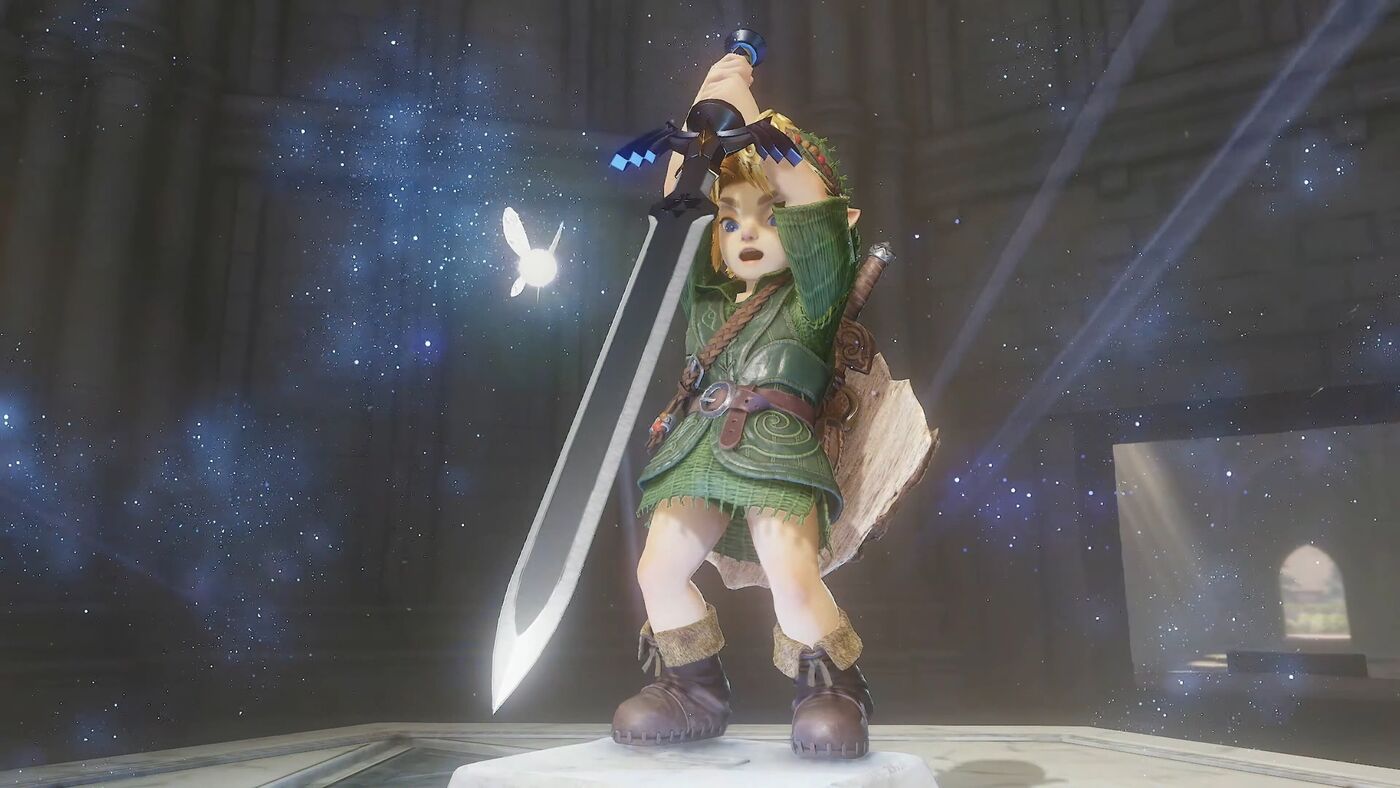
I am grading a product sheet from a Direct, not inventing a Metacritic for a remake that ships in November. During The Legend of Zelda 40th Anniversary Direct on Tuesday, September 8, 2026, Eiji Aonuma played an extended early-game slice of The Legend of Zelda: Ocarina of Time remake and stamped the till date: November 5, 2026, Nintendo Switch 2 exclusive. Public coverage across Game Informer, Nintendo Life, and others logged the same consumer facts I am willing to ink. Manual jump. Sprint or free roll energy that retires the old roll-spam commute. Free camera. Motion aiming for ranged tools. Microphone ocarina input, including humming, plus a physical ocarina accessory path. Voiced cutscenes in the rebuild conversation. I am Miles Archer on Reviews / Games. This is a product grade for the carton Aonuma opened. It is not a finished review score.
What the carton claims, labeled carefully. This is not an upscale of the Nintendo 64 ROM with a prettier filter. Coverage describes a ground-up rebuild that keeps the 1998 adventure's shape while modernizing movement, camera, and presentation. Aonuma's playthrough language, as reported, leans on nostalgia without pretending the old context-sensitive jump is sacred. Link jumps on command now. That single sentence is a product thesis. It tells 1998 purists the museum is open and tells 2026 players the controls will not gaslight them.
November 5 is the till. Switch 2 is the aisle. I will not invent a 94 for a remake I have not finished.
Movement and camera are the first grade axis. Free camera in spaces that used to lock your neck is the living-room accessibility win. Manual jump changes puzzle literacy and traversal swagger. Sprint or sustained roll-as-run modernization acknowledges how people actually crossed Hyrule Field for twenty-eight years. Motion aiming for the slingshot and friends is optional gravity for players who want Switch 2 gyro to mean something in a classic dungeon. None of that is a combat review. All of that is a control carton you can grade from a Direct demo without lying.
Ocarina as microphone toy is the second axis, and it is where Product Launches energy bleeds into Games reviews without stealing the winter Direct desk. Nintendo is selling song recognition through the Switch 2 mic, humming as a legal input, and a separate physical ocarina accessory that the system can hear. That is delightful on a stage. It is also a living-room tax: apartments, shy players, and noisy couches will negotiate with a feature 1998 never demanded. Grade the ambition high. Grade the universality as TBD until owners report whether button input remains first-class forever. Public materials suggest the classic note entry still exists beside the party trick. Keep that receipt.
Tuesday's cartridge-into-Direct stamp still sits in the cartridge walks into the Direct.
Presentation axis without turning into a screenshot fight. Rebuild lighting, denser NPC life, and voiced scenes are the Direct's flex. Time flowing more normally through spaces is a systems change people will argue about for months. Seamless transitions into some interiors, with deliberate load moments preserved for Deku Tree and Hyrule Field identity, is the kind of hybrid authenticity Nintendo loves. I grade the intent as coherent: remember the doorways that scared you, modernize the ones that only frustrated you. Coherent intent is not a frame-time diary. Ports and remakes still have to prove handheld stability in November.
Mic ocarina is the delight sticker. Manual jump is the adult control sticker. Neither is a Metascore.
Price and platform axis from public coverage. Switch 2 exclusive. November 5. Digital and physical price points circulating in coverage around the standard premium remake band. A Zelda-themed Switch 2 hardware lane and amiibo noise rode beside the software in the Direct week weather. Reviews / Games cares first about the software promise. Hardware bundles are aisle gravity, not a substitute for whether Kokiri Forest feels good in your hands.
What I refuse to grade. I refuse a numerical review score. I refuse a fake OpenCritic average. I refuse to declare the art direction universally beloved because Twitter is loud. I refuse dungeon difficulty claims from a guided Aonuma tour. Guided tours are demos with a producer holding the map. November owners will be meaner, and they should be.
Winter calendar context without inventing Wednesday's Direct slides lives in winter is the second Direct.
Recommendation, narrow and dated September 9. If Ocarina is your religion, the product sheet is already enough to calendar November 5 and clear disk. If you bounced off N64 jank years ago, the control modernization is the honest reason to re-enter, not nostalgia guilt. If you only want Breath of the Wild physics with a Triforce sticker, this carton is still a 1998 adventure rebuild, not a sandbox transplant. Buy on the promise of camera, jump, and dungeon literacy. Wait on mic-ocarina accessories until you know your living room wants a plastic song toy.
Industrial reading. Aonuma playing the game on the Direct stage is itself packaging. It says the rebuild is far enough along to survive close-ups. It also says Nintendo wants the 40th anniversary to sell a concrete SKU, not only a museum feeling. Pair that with today's separate winter Direct and you get a week that quarantined franchise emotion from shopping-list software. Competent sequencing. Still not a finished grade.
September 9 tally. Ocarina of Time remake, Switch 2, November 5, 2026, Aonuma gameplay on September 8 Direct, free jump and modernized traversal, free camera, motion aiming, mic and accessory ocarina path, voiced rebuild presentation, no invented Metacritic, product grade: coherent modernization carton with a delight feature that still has to survive real couches. I am reviewing the sheet they opened on stage. I am not reviewing the cartridge that arrives in November.
One last Reviews sentence. The 1998 game already earned its myth. The 2026 carton has to earn a new one with jump buttons and microphones, not with forged launch-week numbers. November can keep or break the Direct promise. Today's job is narrower and honest: the promise is specific enough to trust, adult enough to argue with, and unfinished enough to refuse a fake 96.
Compare this product grade to other remake cartons without inventing a leaderboard. Some remakes sell resolution and call it love. Some sell control modernization and call it respect. Ocarina Direct sheet is trying to sell both, plus a microphone party trick that could become either a generational delight or a couch liability. That combination is ambitious. Ambition is gradeable. Ambition is not a ninety seven.
Handheld and dock axes remain deliberately unfinished in this filing. Switch 2 exclusivity means the remake future is tied to one living room passport. That is fine for Nintendo winter math. It is a warning for multiplatform nostalgia buyers who wanted the 1998 game everywhere. Reviews prints the warning without turning it into a platform war essay.
Aonuma showed enough game to prove the rebuild is real. Nintendo stamped a date close enough to force holiday planning. The control sheet is specific. The mic ocarina is optional delight with an accessory tax. None of that authorizes a fake launch week aggregate today. Calendar the fifth. Clear the shelf space. Keep the scoreboard blank until the game is actually in the machine. That is the product grade. That is the desk.
How we made this: researched and drafted with AI assistance. Sources are linked in the piece.
Original commentary based on public reporting. Not a reprint. Editorial standards.