Netflix is restocking Monster with an axe and a woman. The first female Monster is the SKU.
Eight episodes land September 17. Ella Beatty as Lizzie Borden. Same Thursday as The Fixers. Female rage is the aisle talker.

Today is Wednesday, September 2, 2026, and Netflix's September 17 shelf is already loud enough to hear from here. Monster: The Lizzie Borden Story, the fourth season of Ryan Murphy and Ian Brennan's crime anthology, drops all eight episodes that Thursday. Ella Beatty plays Lizzie. Vicky Krieps plays Bridget Maggie Sullivan, the Bordens' live-in maid. Charlie Hunnam plays Andrew Borden. Rebecca Hall plays Abby Borden. Billie Lourd plays Emma. Jessica Barden plays Nance O'Neil. Sarah Paulson turns up as Aileen Wuornos. The Futon Critic trailer release from August 20 is the paper of record for the date, the episode count, the directors (Max Winkler for six, Sarah Adina Smith for two), and the sentence Netflix wants on the box. Hell hath no fury like Lizzie. I am not reviewing blood I have not watched. I am announcing the SKU. The first female Monster is the inventory. Per variety.com.
Every prior Monster season sold a male perpetrator as the aisle endcap. Evan Peters as Jeffrey Dahmer. Cooper Koch and Nicholas Alexander Chavez as the Menendez brothers. Charlie Hunnam as Ed Gein. The anthology earned Emmys, arguments, and a running cultural fight about dramatizing victims for prestige horror. Season 4 flips the gender on the monster label without flipping the franchise logic. An axe. A Victorian household. A rhyme every American schoolyard already knows. Lizzie Borden took an axe. Gave her mother forty whacks. When she saw what she had done, she gave her father forty-one. Netflix's trailer leans on that rhyme like it is product copy, because it is. The myth is the packaging. The first female Monster is the SKU the packaging is wrapped around.
Netflix is restocking Monster with an axe and a woman. The first female Monster is the SKU.
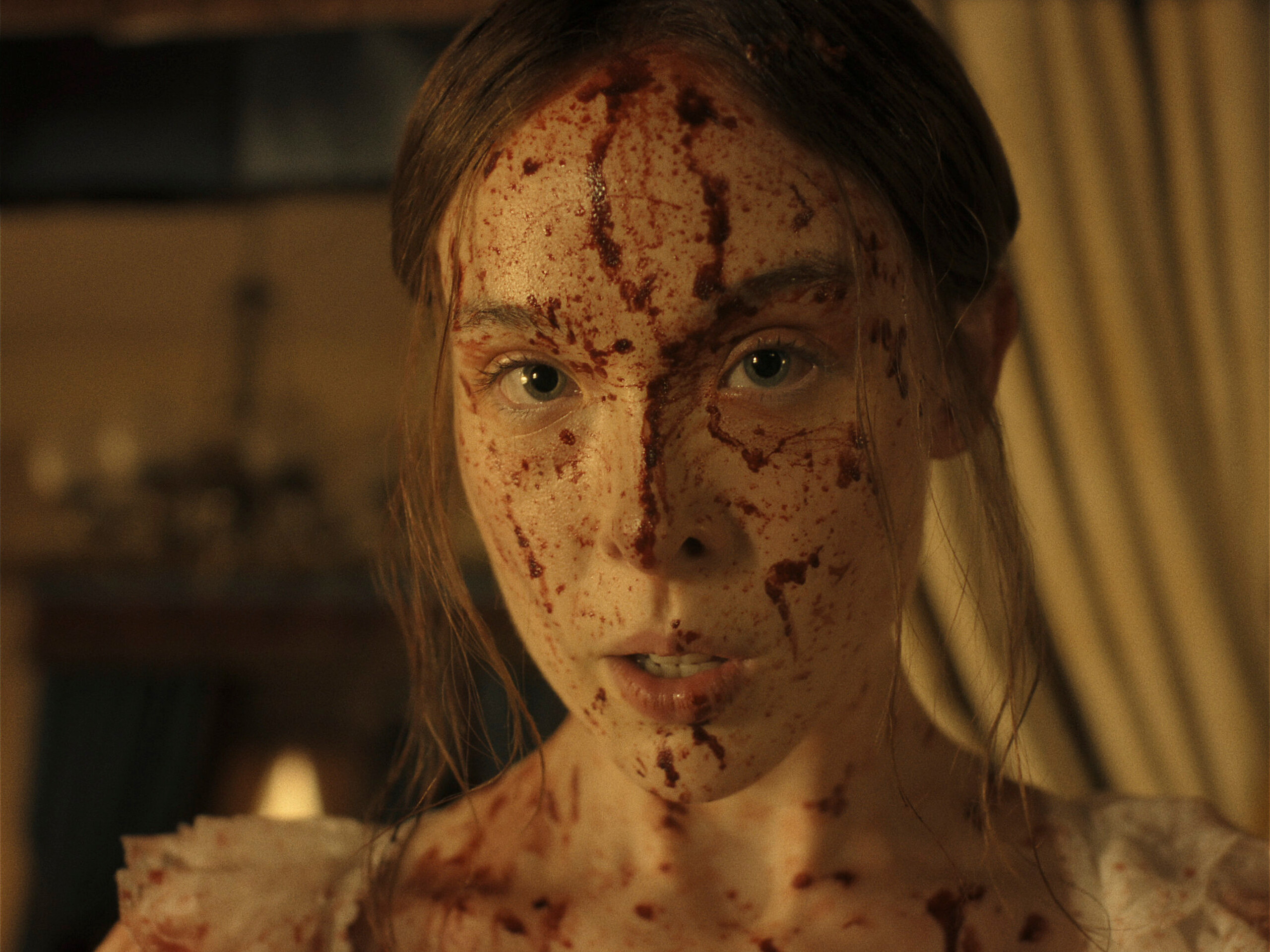
Deadline and The Hollywood Reporter both ran the August 4 first-look package with the September 17 premiere stamp. Beatty, covered in blood, is the image the trades faced out. Whose blood, Tudum teases. You will have to wait and see. Beatty's own quote to Tudum is the industrial mission statement. She is excited for viewers to experience the exploration of Lizzie Borden's story and the questions her life still animates. Dream come true to investigate a complicated psychology and an American crime that feels almost mythic. This season gives us our first female Monster and delves into female rage and repression which she has found strikingly relevant. That is not a spoiler. That is the shelf talker. Female rage. Female repression. First female Monster. The anthology is telling you what it thinks it is selling before a single episode loads.
Ian Brennan remains showrunner and writer across the eight. Ryan Murphy executive produces with Brennan, Max Winkler, and the usual Monster machinery. The official logline the trades keep recycling is pure Murphy cadence. Trapped in a cruel Victorian-era household built on humiliation and cruelty, they commit unsolved murders that set them gloriously free. All it took was an axe. How one young woman changed what the world believed a killer could be. I am allergic to gloriously free as a phrase about axe murder. I am not allergic to the industrial observation underneath it. Monster has always sold the psychology of the perpetrator as the product. Season 4 is the first time that product is explicitly gendered as a woman the culture already turned into a jump-rope chant. That is a different toy than Dahmer's apartment or Gein's farm. It is a myth toy. Myth toys move differently on a streamer's shelf.
The September 17 stack is the other announcement. The same Thursday, Netflix also premieres The Fixers, the temple-fronted crime toy I already called a Thursday-night cover-ops restock. Same login. Same night. Different aisles. Fixers sells covert missions and Christopher Lee energy. Monster sells Fall River, 1892, and an axe the culture never put down. Stranger Things: Tales From '85 also lands in some September calendars around that window. Netflix is not choosing between prestige crime and franchise comfort. It is stacking them so the Thursday row looks like a cable night the company spent a decade trying to kill. I already wrote that Netflix is building the cable box argument last month. September 17 is the proof of purchase.
Casting is doing franchise work even when the story is standalone. Hunnam returns to the Monster umbrella after playing Gein, now as Lizzie's father. Krieps returns after appearing in the Gein season, now as the maid who lived inside the house's economy of cruelty. Paulson, Murphy's longtime instrument, appears as Wuornos, a cross-myth cameo that tells you the anthology wants conversation between its female monsters even when the plots do not share a century. Lourd as Emma, the older sister. Barden as Nance O'Neil, the actor friend. Joey Pollari rounds out the additional cast the Futon Critic list keeps printing. This is not a blank slate. It is a repertory company restocking a new historical SKU with familiar hands on the tools.
The rhyme is the packaging. The unanswered psychology is the product. Female rage is the aisle talker.
Beatty is the bet. Feud: Capote vs. The Swans put her in Murphy's orbit. If I Had Legs I'd Kick You put her in a Sundance-to-Oscar conversation. Casting her as Lizzie is the announcement that Monster wants an actor who can hold close-ups without the anthology's usual male movie-star gravity. The first-look stills are almost all her face and the blood on it. That is not subtle merchandising. That is the streamer telling you the camera has a new center of gravity. Whether the eight hours interrogate the myth or simply restage it for prestige gore is the review desk's problem after September 17. The announcements desk's job is to say what is being ordered. Netflix ordered a female Monster. Netflix ordered eight episodes. Netflix ordered the rhyme.
I am not going to sanitize the franchise's baggage. Monster has been dinged, repeatedly, for turning real victims into prestige texture. Fall River is not a fictional town. Abby and Andrew Borden were real people. Bridget Sullivan was a real maid. Lizzie was tried and acquitted. The culture turned the acquittal into a chant anyway. An anthology that sells perpetrator psychology as entertainment is always one edit away from exploitation. Brennan's Tudum-facing language about born versus made, about what brings a woman to the point of violence, is the framing that either earns the season or convicts it. I will watch for whether the maid gets a self, whether Abby is more than a stepmother-shaped target, whether the trial is treated as history or as a finale button. Those are not spoilers. Those are quality-control questions the SKU has to survive.
The trailer language is doing anthology brand maintenance as much as story selling. Hell hath no fury like Lizzie is a poster sentence. The longer Brennan quote about every season being an exercise in understanding a person's psychology, born or made, what brings a woman to the point of violence, is the mission control version. Murphy anthologies always sell a thesis alongside a corpse. Dahmer sold isolation and appetite. Menendez sold family as a crime scene. Gein sold the American farm as a horror set. Lizzie sells the Victorian home as a pressure cooker and the culture's jump-rope chant as evidence the myth outran the trial. That is an announcement with a historiography attached. Whether the eight hours can carry historiography and gore at the same time is the open question. The order is still the order. Netflix greenlit the chant.
International shelf timing matters for a Fall River story that American kids learn as rhyme before they learn as case law. A global September 17 dump means the same blood still hits Brazil, Britain, and Massachusetts on the same clock. Monster has always been a worldwide SKU more than a local true-crime hour. Putting a Massachusetts myth into that pipe is how you turn a regional ghost story into a platform event. I am not calling that noble. I am calling it inventory strategy. The axe travels. The rhyme translates. The first female Monster label is English-language aisle talker that still works in every territory where the anthology already converted viewers. Face the blood still out. Date the night. Stack it next to The Fixers. That is the announcement. The review can wait until the eight hours either interrogate the chant or simply sing it louder.
Practical notes for the calendar, then I am done announcing an axe. Monster: The Lizzie Borden Story premieres September 17, 2026, on Netflix. Eight episodes. All at once. Created by Ian Brennan. Executive producers include Ryan Murphy, Brennan, Max Winkler. Starring Ella Beatty, Vicky Krieps, Charlie Hunnam, Rebecca Hall, with Billie Lourd, Jessica Barden, Joey Pollari, and Sarah Paulson. Same Thursday as The Fixers. First female Monster in the anthology. Official promise: female rage, repression, and a mythic American crime. Official packaging: the rhyme you already know. I am greedy about shelves and suspicious of glorious freedom attached to an axe. Pre-order the night on your calendar anyway. The SKU is clear. Netflix is restocking Monster with a woman at the center and asking the culture to stare at a chant it has been singing for over a century. Whether that stare is critique or cosplay is what September 17 is for. Until then, the announcement is the axe on the endcap. Face it out. Label it honestly. The first female Monster is not a subplot. It is the product.
Related reading: Dark Matter spent the whole novel. Friday the Box has to work without a book..
How we made this: researched and drafted with AI assistance. Sources are linked in the piece.
Original commentary based on public reporting. Not a reprint. Editorial standards.