
Riches of Embarrassment is midseason math, not a reset button.
Ted Lasso S4E5 drew a C+ from the AV Club, mixed bag notes from Sepinwall, and warmer-with-caveats praise at Esquire. Halfway is when the argument shows.

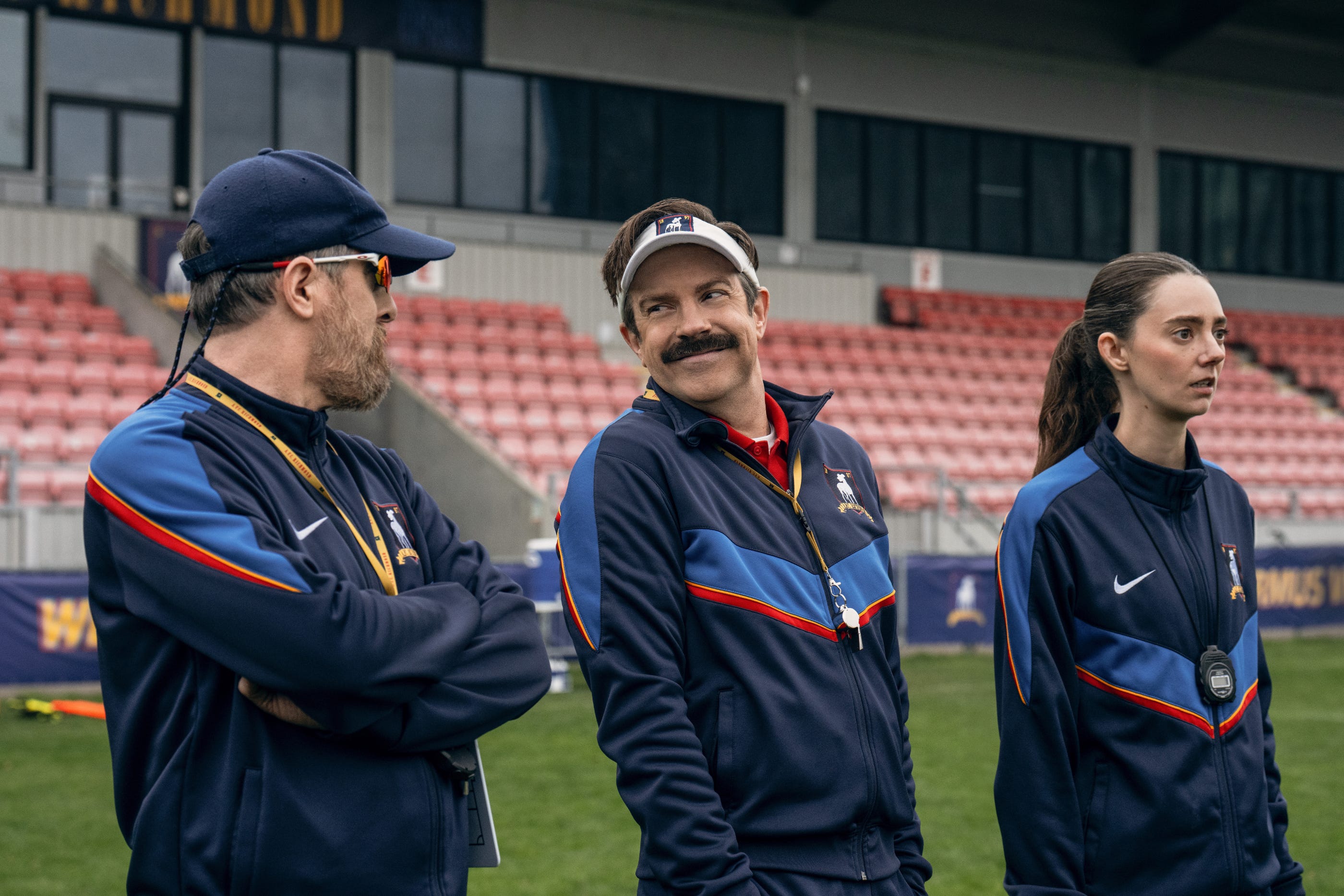
Today is Sunday, September 6, 2026, and Ted Lasso Season 4 is halfway through its weekly habit with episode five, Riches of Embarrassment, already in the rearview from the September 2 drop. I am not writing a spoiler farm. I am writing a midseason review of what the episode is doing to the season's argument, using published critic takes instead of inventing a consensus that does not exist.
The AV Club's Saloni Gajjar graded the episode a C+ and led with a blunt diagnosis: Ted Lasso continues to fumble most of its female leads, with Alice Chilton as the temporary escape hatch from that curse. That grade is not a vibe. It is a published letter. Alan Sepinwall, writing at What's Alan Watching, called the team material compelling while still filing the surrounding subplots as an extremely mixed bag that again made Keeley feel childish and Rebecca feel buffoonish. Esquire's recap was warmer about the episode's coaching spine, calling Riches of Embarrassment old school quality Lasso the writer had not seen in a long time, then immediately admitting the show still cannot quit its worst habits. Three real desks. Three different temperatures. That is a midseason weather report, not a marketing blurb.
Midseason is when a comedy stops auditioning and starts revealing its math.
Apple's own packaging for Season 4 is simple enough. Ted is coaching a second division women's side. New episodes land Wednesdays through October 7. Tanya Reynolds joined as Alice Chilton, the tougher coaching presence opposite Ted's optimism. Riches of Embarrassment, written by Phoebe Walsh and directed by Ellie Heydon per Scraps from the Loft's September 2 review, puts football back toward the center without pretending football can be separated from the private humiliations of the people financing, coaching, and selling it. Embarrassment is the title and the thesis. Ted's whole philosophy has always depended on risking looking foolish in public. This episode tests whether that philosophy still works when the coach has to manage another coach who is burning hotter than the Richmond Way can absorb.
I already filed They put the Lasso smile on a second-division women's team when this aisle started arguing with itself. The callback still holds.
Spoiler-light version of the pitch action: Richmond has a hard Chelsea match on the calendar. Alice's insecurity sharpens into cruelty toward players. Ted tries the soft parable first. It does not fully land. By the end he chooses a firmer managerial move that several critics read as growth rather than folksy dad energy. Collider's coverage of the episode leaned into that reading, arguing Season 4 is already fixing one of Ted's old blind spots by intervening earlier than he did with Nate. Esquire nearly teared up at Ted converting his own embarrassment into something usable for the team, then spent equal energy complaining about overstuffed subplot traffic. I trust that split more than a clean rave. Clean raves are how recap mills sell merch.
What I will not do is invent a Rotten Tomatoes season score or pretend I sat in a critics screening with a secret grade sheet. Season 4 is an ongoing weekly comedy. Episode five is one chapter. The useful review question at midseason is not whether this is a masterpiece. The useful question is what the show is arguing now that the premiere perfume has worn off.
The argument, if you stitch the published takes together, is about power and belonging inside a women's football workplace that the series keeps promising to celebrate. Sepinwall notes Alice's envy when players buy Ted jeans as a post-divorce kindness while treating her as staff rather than family. Gajjar's AV Club frame says the show still mishandles most of its women even when Alice briefly escapes the curse. Esquire sees Alice finally getting substance beyond straight-faced contrast, then watches Keeley and Rebecca storylines wobble again. That is not three people inventing drama. That is three people watching the same episode and naming the same tension with different adjectives.
A C+ at midseason is information, not a funeral.
I like information. Season 4 opened with a lot of goodwill and a lot of skepticism from people who felt Season 3 already stretched the brand. Five episodes in, the wire can say something more specific: the coaching conflict is where the show still has electricity, and the surrounding personal sitcom machinery is where critics keep filing complaints. That does not make the episode worthless. It makes the episode diagnostic. Diagnostics are what midseason is for.
Reynolds' Alice is the character the reviews keep orbiting, which is itself a review finding. Variety interviewed her earlier this season about joining as a tough, cold coach whose walls come down slowly. Riches of Embarrassment is the chapter where those walls stop being a personality sticker and start being a workplace hazard. Ted recognizing the Nate pattern without turning the whole hour into a clip show is the craft win several writers praised. Ted suspending her for a match, with holiday break timing that makes the pause feel longer than one fixture, is the plot turn Collider and Esquire both treated as the episode's spine. I am keeping the dialogue out of this filing on purpose. You can hear Sudeikis deliver the stern version yourself. The review point is that the stern version is what made people sit up.
Then there is the bag of other plots. Keeley still fighting to put butts in seats. Rebecca's personal life taking another soap turn. Beard's Jane detour, which Esquire called a bizarre comedy wrong turn after heavier setup. Sepinwall's mixed bag is doing honest work here. A midseason episode that tries to advance five relationships and a Chelsea match will always risk tasting like a checklist. Ted Lasso has always been a checklist show dressed as a hug. When the hug is good, you forgive the checklist. When the hug is uneven, the checklist becomes the review.
Sunday habit context matters. Apple is asking for ten Wednesdays. We are at five. Slow Horses is not back until September 16. The September carton on Apple is crowded with unfinished feelings about whether Lasso still earns the living room. Riches of Embarrassment does not settle that argument. It sharpens it. If you liked Ted learning to be a boss instead of a mascot, this episode is evidence the writers still know that gear. If you are exhausted by subplot sprawl and female characters written as punchlines, the AV Club C+ will feel like validation rather than cruelty.
My own midseason take, grounded in those published temperatures: the episode is better at coaching drama than at ensemble sitcom traffic, and that imbalance is now the season's central product risk. I am not declaring Season 4 fixed. I am not declaring Season 4 cooked. I am saying episode five is where the show stopped pretending every plate can spin at the same speed. Some plates are football. Some plates are embarrassment. Some plates are just plates.
Watch it if you are already in the weekly habit. Skip the recap farms that narrate every jeans joke like scripture. Read Gajjar, Sepinwall, and the Esquire piece if you want actual criticism instead of quote-tweet dopamine. Then decide whether Ted's firmer managerial gear is enough to carry the back half, or whether the mixed bag keeps winning. Midseason is when a comedy stops auditioning and starts revealing its math. Riches of Embarrassment did the revealing. The grade range from C+ warmth with caveats to old-school praise with caveats is the story. That range is the review.
One more practical note for the shelf. Season 4 still has episodes left before the October 7 closer. Anything I say about Alice, Keeley, Rebecca, or Beard could shift next Wednesday. That is the deal with weekly comedy criticism. You grade the chapter you have, cite the people who graded it in public, and refuse to invent a finale opinion in September. I can live with that humility. The show should too.
Episode credits worth keeping straight before the discourse turns into fan fiction: Phoebe Walsh on the script, Ellie Heydon on direction, Tanya Reynolds continuing as Alice, Jason Sudeikis doing the stern coach voice critics noticed. Scraps from the Loft called the hour the season's most convincing character study so far. That is another published temperature you can put next to the AV Club C+ without needing me to invent a composite score.
If you only read one critical conversation around this episode, make it the female-character argument. Gajjar and Sepinwall are not being cruel for clicks. They are noticing that a season sold as a celebration of women's football keeps tripping over how it writes the women around the pitch. Alice getting sharper focus does not erase that pattern. It just gives the pattern a temporary exception, which is exactly how Gajjar framed it.
Related on Dorkify: By Any Means sold a bat and a badge.
How we made this: researched and drafted with AI assistance. Sources are linked in the piece.
Original commentary based on public reporting. Not a reprint. Editorial standards.