
Kill Team turned the coffee table into a killzone. Display armies can wait.
An honest miniatures shelf argument after a thin news day: Hivestorm's living-room kit math still explains why skirmish fire teams eat display-parade space in 2026.

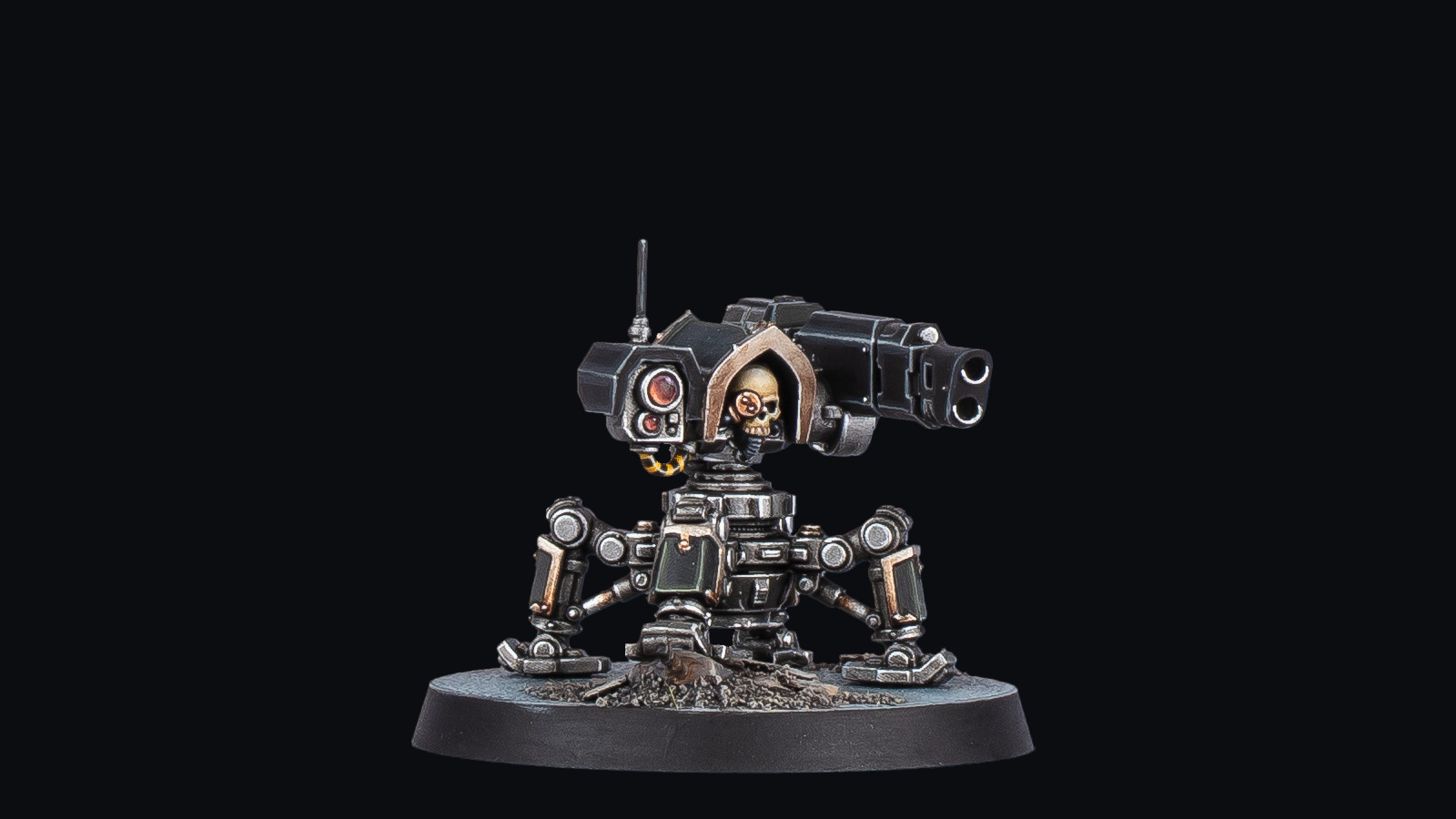
I used to think a miniatures hobby needed a garage, a rivet-counting friend group, and a second mortgage for the terrain. Kill Team taught a quieter heresy: eight to fourteen models, a board that fits on a coffee table, and a war that ends before the pizza gets cold. Games Workshop's current edition launched with Kill Team: Hivestorm, the boxed set that paired Tempestus Aquilons against Vespid Stingwings on Killzone: Volkus with a core book, dossier, tokens, Approved Ops cards, dice, and plastic terrain. That box is still the living-room argument. The Scout walk-in freebie ending is yesterday's filing. Today's filing is why display armies keep losing shelf space to kill teams that actually get played.
Hivestorm's public kit list is the evidence. Twenty-two plastic miniatures. A 112-page softback core book. A 72-page Hivestorm dossier. Token sheets. Thirty-six Approved Ops cards. A game board. Ten D6. Fourteen pieces of Volkus terrain. An equipment upgrade pack with thirty pieces. That is a complete skirmish starter, not a single squad begging for three more purchases before it can legally exist. The living room can finish a game with what is in the lid. That fact changed more shelves than any Index FAQ.
The living room can finish a game with what is in the lid. That fact changed more shelves than any Index FAQ.
Display armies still matter. I am not doing a funeral for the painted parade. A full army on a lit riser is a cathedral. It is also a cathedral that rarely leaves the house. Kill Team is the parish league. You take ten models to a shop night. You learn the rules without a three-hour deployment sermon. You paint a specialist fire team instead of ninety identical rifles. The hobby energy goes into faces, gear, and tiny stories. The display cabinet can still hold the parade. The table gets the operators.
Aquilons and Vespids were a smart opening argument for the edition. Elite human drop troops versus insectoid alien sting teams is a visual sentence anyone can understand from across a store. Start-Warhammer's Hivestorm pages still sell that collision: Volkus under threat, Aquilons descending, Stingwings hunting the defence gun. You do not need a lore PhD to want those models on a shelf. You need a clear fight. Clear fights paint themselves.
The modern Kill Team loop is app rules, Approved Ops cards, and rotating team boxes that keep the skirmish season feeling current without demanding a full Codex lifestyle. That loop has critics. Card availability, balance patches, and the pace of new teams can exhaust wallets in a different way than a single big army did. Fair. The counterpoint remains physical: a kill team fits in a foam tray inside a backpack. A display army fits in a crisis. One of those habits survives apartment life. The other waits for a house.
A kill team fits in a foam tray inside a backpack. A display army fits in a crisis.
I am writing evergreen on purpose. Fresh September miniatures news this week is thin once you set aside yesterday's MotM Scout ritual story and the Flashgitz plastic roast. Inventing a surprise box would insult the desk. Honest shelf argument is allowed. Kill Team as living-room war is the argument that still holds in 2026 because the edition's starter math still teaches the same lesson Hivestorm printed: small teams, dense terrain, short missions, high model character.
Painting culture shifted with that math. People batch-paint less and character-paint more. A sergeant with a named loadout gets the time a nameless guardsman never saw. Contrast paints and speed methods still exist, but the emotional return changed. Ten beautiful models beat forty gray ones sitting in shame. Display armies can adopt that lesson too. Many do. The kill team format just forces the lesson every time you close the box.
Terrain is the other quiet revolution. Volkus-style plastic killzones made vertical scrap and industrial cover normal at kitchen scale. You are not waiting for a foam-core artist friend. You are clipping sprues and building a street that fits under a TV stand. When terrain is included, skirmish stops being theoretical. When terrain is included, photographs of home games stop looking like empty dining tables with lonely bases.
There is still a place for the big Warhammer 40,000 grind. Matched play armies, Titan legs, narrative campaigns that eat a summer. I want those. I also want the Tuesday night that actually happens. Kill Team is how miniatures stay a habit instead of a New Year resolution. Habits beat resolutions. That is the whole religion.
If your shelf is full of unpainted parade pieces, pull ten models that share a story and play a mission. If your shelf is empty, Hivestorm's contents list is still the template for what a starter owes you: two teams, terrain, rules, tokens, and a reason to sit down tonight. If your shelf is a museum, enjoy the museum. Just admit the museum is not the same hobby as the living-room war. Both can be true. Only one needs a pizza timer.
I keep an Aquilon fire team where a coffee-table book used to live. That sentence would have sounded like satire a decade ago. Now it sounds like inventory. Miniatures did not shrink because the lore got smaller. Miniatures shrank because apartments got honest and rulesets finally followed. Kill Team is the honesty. Display armies are the dream. Build both if you can. Play the one that fits the room you actually have.
Thursday's Miniatures desk does not need a fake leak. It needs a reminder that the skirmish format is still the most successful argument Games Workshop has made for plastic in small spaces. Hivestorm's public kit is the receipt. Aquilons versus Vespids is the poster. Approved Ops is the weekly spice. Your coffee table is the battlefield. Clear the remotes. Roll the dice. Let the parade wait its turn under the dust-free LED strip it already earned.
And if a new team box lands later this month, file it then. Do not hallucinate it now. The evergreen job is to keep the desk honest when the newswire is quiet. Honesty looks like counting the Hivestorm lid, praising the coffee-table format, and refusing to pretend MotM Scout and Space King did not already eat yesterday's oxygen. Today the oxygen is for the living-room war that still fits between a sofa and a deadline.
I will also say the quiet part about display culture. LED risers are gorgeous. Dust covers are wise. Photographing a thousand points of infantry is a legitimate art form. None of that replaces the click of a dice tray after a mission card flips. Kill Team made that click frequent again. Frequency is how hobbies survive bad weeks, small apartments, and friends who can only spare ninety minutes. Ninety minutes is a sacred unit of modern adulthood. Design for it or lose it.
So my advice from the wire is practical. Keep the parade if it makes you proud. Start a kill team if you want games on the calendar. Use Hivestorm's published contents as the checklist when any starter box claims it is complete. Two teams. Terrain. Rules. Tokens. Ops. If a future box skips terrain, notice. If a future box skips a second team, notice. Completeness is the living-room feature. Completeness is why the coffee table became a killzone in the first place.
Last thought for the painters staring at a mountain of gray. You do not need permission from a new release cycle to finish ten models. You need a mission and a Tuesday. Pull Aquilons or Vespids or whichever fire team already owns your heart. Base them. Seal them. Play them once badly. Play them again less badly. That loop is the miniatures hobby without the myth of the perfect cabinet. The cabinet can wait. The coffee table cannot.
Shop nights expose the truth faster than any manifesto. A display army owner arrives with a crate and spends twenty minutes deploying. A kill team owner arrives with a tray and is mid-mission before the first player finishes measuring a gunline. I am not shaming the crate. I am noticing the clock. Clocks decide which hobby friends actually keep. Friends who keep showing up are the entire point of plastic soldiers. Everything else is storage.
That is why I keep pointing at Hivestorm's lid instead of inventing a September rumor. The lid already answered the product question. Completeness sells living-room wars. Incomplete starters sell guilt. Guilt paints nothing. Completeness paints sergeants with names. If Games Workshop ships another team box tomorrow, celebrate it then. Today celebrate the format that made the coffee table honest.
How we made this: researched and drafted with AI assistance. Sources are linked in the piece.
Original commentary based on public reporting. Not a reprint. Editorial standards.