
Toy Story: Retro Roundup finally rescues the handheld ports
Toy Story: Retro Roundup is out today from Digital Eclipse and Atari with 11 versions of six games, and the Game Boy and Game Boy Color versions are the real reason to care.

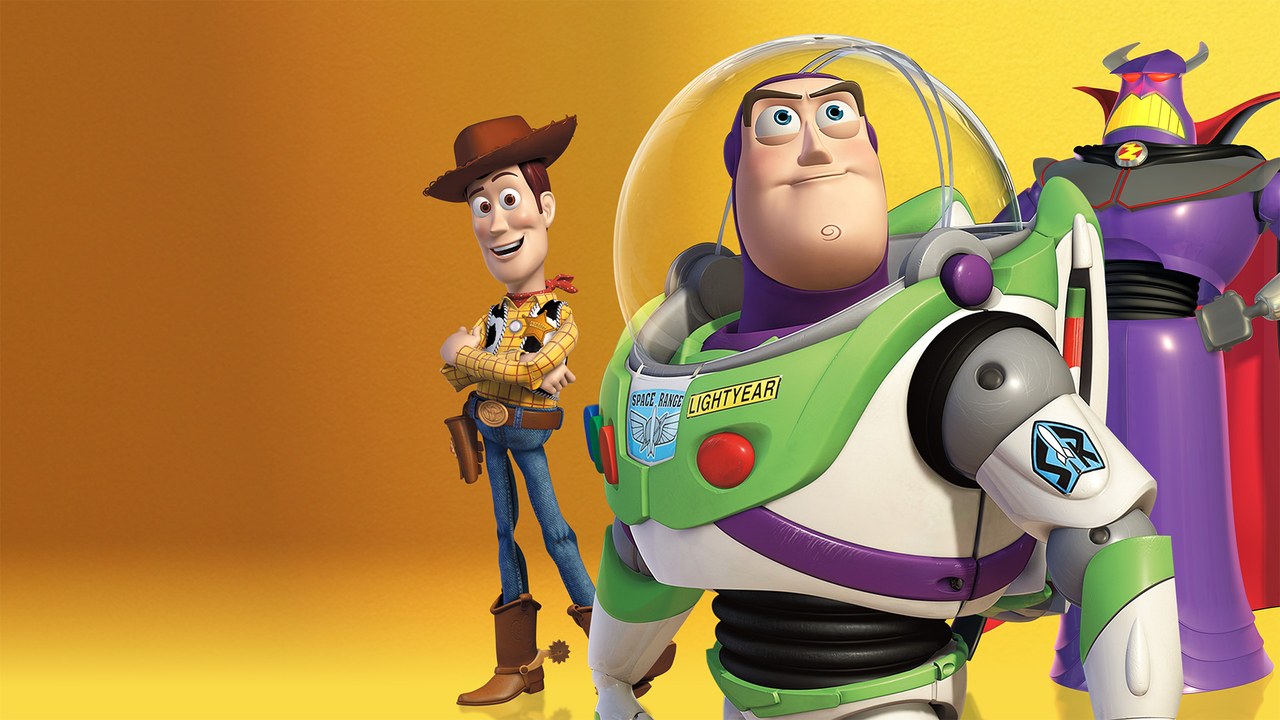
Toy Story: Retro Roundup is out today, October 15, on PlayStation 5, PlayStation 4, Xbox Series X|S, Xbox One, Nintendo Switch, Switch 2, and PC. Digital Eclipse built it and Atari published it, and the Digital Eclipse product page spells out the package without much fuss: 11 versions of the licensed Toy Story era games, console and handheld, with A Bug's Life riding along as the bonus bug in the box.
The marketing math is a little slippery, so here is the plain version. The PlayStation Store listing calls it a five-game collection. The developer's own list runs six titles deep, because the PlayStation Toy Story 2: Buzz Lightyear to the Rescue! and the Game Boy Color Toy Story 2 are separate games that happen to share a name. Spread those six across their original hardware and you land on 11 playable versions. That number is the honest pitch, and it is a better pitch than "five games."
Price check this morning: the Steam page has Retro Roundup at $29.99 on its own, with a double pack that adds Toy Story 3 Complete Edition, and the PlayStation Store shows the same $29.99 standalone price. Gamers6's launch writeup notes a physical double pack on PlayStation and Switch, while Xbox players get digital only. Kotaku's Retro Roundup hub also carries the August story about the old Xbox Toy Story 3 being delisted ahead of the remaster, which is the kind of housekeeping that always makes me want to buy the disc version while it exists.
The console games are the nostalgia hook. The handhelds are the preservation story, because Digital Eclipse says several of them have never been rereleased before.
What is in the collection, and what got left in the toy chest
Here is the developer's list, set against the other platforms these games shipped on back in the day. The left side is from Digital Eclipse's page. The right column is my addition from the original release history, so you know which version you are getting before you go hunting for the one you remember.
| Game (year) | Versions in Retro Roundup | Shipped back then, not included |
|---|---|---|
| Toy Story (1995) | Sega Genesis, SNES, Game Boy | Windows PC (its soundtrack is in the music player) |
| Toy Story 2: Buzz Lightyear to the Rescue! (1999) | PlayStation | Nintendo 64, Dreamcast, PC |
| Toy Story 2 (1999) | Game Boy Color | None; this is its own handheld game |
| Buzz Lightyear of Star Command (2000) | PlayStation, Game Boy Color | Dreamcast, PC |
| Toy Story Racer (2001) | PlayStation, Game Boy Color | None |
| A Bug's Life (1998) | PlayStation, Game Boy Color | Nintendo 64, PC |
The omission people will argue about is the Nintendo 64 Toy Story 2. A lot of players met Buzz on that cartridge, and Digital Eclipse went with the PlayStation build. I get it from an emulation standpoint, since the PlayStation version is a cleaner fit for a collection built on one engine, but I would not be surprised to see "where is the N64 one" in the first page of Steam reviews. The Dreamcast versions of Toy Story 2 and Star Command are the deeper cut, and I doubt many tears will fall for them.
The features that change how these play
Every game gets rewind, save states anywhere, and optional visual filters. The original Toy Story on Genesis and SNES lets you pick the NTSC or PAL release, which is a bigger deal than it sounds: PAL versions of that era usually ran at 50Hz, so the timing of jumps you learned as a kid in one region will feel off in the other. The dual format Game Boy Color games, A Bug's Life and Toy Story 2, let you pick which ROM to boot. There are new How To Play guides adapted for modern controllers, a practice mode with guided playthroughs you can take over mid level, and Rex's Cheat Codes for unlimited lives and invincibility.
The museum is the Digital Eclipse signature. It collects design documents, development photos, and new interviews with Pixar head of story Jason Katz, Woody's game voice Jim Hanks, Disney and Pixar Games VP Luigi Priore, and Jon Burton, the founder of the studio that made several of these originals. If you have played the studio's Disney Afternoon or Disney Classic Games collections, you know the drill. The interviews are often the part I come back to after the games themselves stop holding my attention.
How I would play it tonight
- Start with Toy Story on Genesis, then load the SNES version right after. Same levels, different hardware personality, and the side by side is half the fun.
- Turn rewind on for the first Toy Story and leave your pride at the door. That game was rough on kids in 1995 and it has not mellowed.
- Try the Game Boy Toy Story as a curiosity, not a main course. Digital Eclipse says the first game has never been rereleased in any form until now.
- Play Buzz Lightyear to the Rescue on PlayStation with the filter off first. Early 3D looks better raw than people expect, then try the filters.
- Save the museum interviews for after. Jon Burton talking about these games lands harder once you have fought the camera yourself.
- Skip the double pack if you only want the retro side. At $29.99 alone, Retro Roundup stands on its own.
Retro collections have been a steady beat on this desk lately. Our Dynasty Warriors 3 Remastered launch note covered a single game brought forward, and our Kingdom Hearts collection piece was about a modern series finally leaving one platform. Retro Roundup is a different animal: licensed games that were never supposed to outlive their movie tie-in window, and now come with save states and a museum.
My take: $29.99 is fair for this set specifically because of the handhelds. Nobody needed a fourth way to play the PlayStation Toy Story 2, but by Digital Eclipse's account the first Toy Story and several of these handheld versions have never been rereleased before today. If Digital Eclipse keeps treating licensed 90s games like they deserve a proper archive, I will keep showing up with my wallet open.
How we made this: researched and drafted with AI assistance. Sources are linked in the piece.
How we made this: researched and drafted with AI assistance. Sources are linked in the piece.
Original commentary based on public reporting. Not a reprint. Editorial standards.