
Tripathi's whisper is the theatrical technology. The runtime is the tax.
Mirzapur: The Movie opened Friday at 197 minutes. The Hindu, India Today, and trade notices agree the cast bites. The craft fight is length, politics, and whether OTT chaos survives a ticket stub.

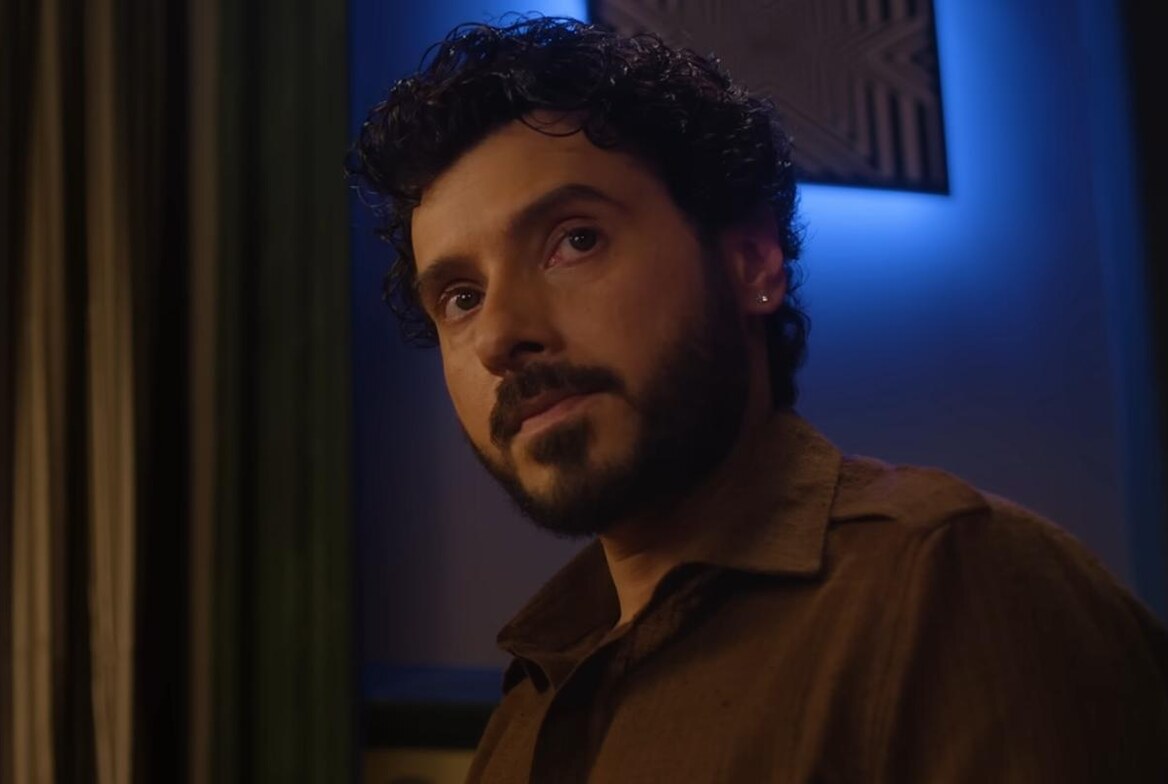
Today is Saturday, September 5, 2026, and Mirzapur finally bought a ticket for itself. Mirzapur: The Movie, the Amazon MGM Studios and Excel Entertainment theatrical extension of the Prime Video crime saga, opened Friday across India after three streaming seasons taught a generation how to say bhaukaal like a password. I am writing this as Bart Christoff. This is the Movies Reviews desk doing craft, not a private scorecard. I am not inventing a star rating. I am reading The Hindu, India Today, Hindustan Times' trade first look, and CNBC-TV18's opening-day notice, then asking what the product actually is when a long-form OTT beast tries to wear a multiplex skin for three-plus hours. Per indiatimes.com.
Public product first. Gurmeet Singh (also billed Gurmmeet in some trade copy) directs. Puneet Krishna writes. Farhan Akhtar and Ritesh Sidhwani produce under Excel, with Amazon MGM Studios presenting. Runtime, per The Hindu's review slate, is 197 minutes. Cast returns the franchise spine: Pankaj Tripathi as Kaleen Bhaiya, Ali Fazal as Guddu, Divyenndu as Munna, plus Rasika Dugal, Shriya Pilgaonkar, Shweta Tripathi, Sheeba Chaddha, Abhishek Banerjee, Rajesh Tailang, Kulbhushan Kharbanda. Jitendra Kumar steps into Bablu Pandit after Vikrant Massey's series run. Ravi Kishan enters as Babban Babua Yadav. The film opens a cinematic chapter alongside season one's timeline rather than simply pasting season four onto a screen, a parallel-story move India Today flagged on opening day. Hindi and Telugu releases. Adult certification. That is the carton.
Three hours of Purvanchal is not a flex. It is the craft argument.
The Hindu's Namrata Joshi-adjacent desk energy (the piece ran under the paper's movies vertical on September 4, updated into Saturday) is the cleanest craft read I have. The review calls it a new beast with the same pulse. Singh and Krishna get mood, moments, and motivations right, then flatten political nuance. Characters are the architecture. Plot is scaffolding. Tripathi's cold pauses and one-liners, Munna's explosive desperation, Guddu's unpredictable rage, Bablu's book-versus-gun dilemma: those are why you stay when the gang-war geography goes generic. Within ten minutes, the screenplay sheds episodic skin. The tonal shift from OTT to feature does not feel jarring. Motivations stay legible. Some are spelled clearer than the series managed, including Vasudha Pandit's role in Guddu's transformation and the scars under Munna's machismo. The women, the review insists, drive the real undercurrents while the men loop destructive postures.
India Today's Sana Farzeen is warmer about the fun and colder about the clock. Goli, gaali, bhaukaal, nostalgia. Pulpy, dramatic, masaledaar, mostly a damn fun watch. The only problem: it does not know when to stop. Long-form storytelling that worked on OTT does not always translate. In a theatre you want drama to move, tension to build and explode. Forced set pieces, including a late car chase that feels like obligation. Does it work? Yes. Did it need more than three hours? Absolutely not. That is a craft complaint with manners. I trust it more than a fake 3.5 stamped by a marketing intern.
Taran Adarsh's opening-day four-star trade blast, carried by Hindustan Times, is the mass-entertainer counterweight. He called it a winner, peak mass entertainer, roaring and ruthless, larger and louder and more cinematic without feeling like a stretched episode. Singh balances drama, action, humour, and emotion. Action is raw and brutal. Background score beyond outstanding. Second half dips and stretches. Climax shooting helps. Enjoyable even for non-fans. CNBC-TV18's notice lands between those poles: familiar home, deeper intensity, Tripathi's unnerving stillness, Fazal's volatile physicality, Divyenndu's charming menace, Kumar's ambitious Punditji as brain of the plot, Ravi Kishan's outsider hunger. Performances with teeth even when the genre no longer surprises. I am not averaging those voices into a fake Metacritic. I am saying the public corridor is "works, long, Tripathi holds."
Tripathi's whisper is the theatrical technology. Everything else is volume.
Craft thesis for the desk: the movie understands theatrical amplification even when it abuses runtime. The Hindu is sharp on this. Sanitizing profanity and overt sexual politics for a wider crowd does not dilute impact. It sharpens the heartland metaphors. Dialogues play as high-stakes psychological games. Humor turns lethal mid-sentence. Pregnant pauses and Kaleen Bhaiya's low menacing whispers gain weight in a dark room where a verbal misstep can trigger a bloodbath. That is the OTT-to-theatre conversion done honestly. Streaming intimacy becomes communal dread. If you came for a silent phone watch, you bought the wrong ticket. If you came to hear a whisper land on two hundred strangers, Friday sold you the correct machine.
The political flattening is the craft tax. The Hindu argues the film reframes Purvanchal's criminal landscape as a Yadav-versus-Brahmin war for supremacy, bypassing Muslim and Thakur ganglord textures the series balanced more carefully. OBC political class versus upper-caste underworld. Patronage for funds. Sophisticated feudalism versus crude interlopers. Ravi Kishan's actor-politician meta energy brings color and patronage realism. Pramod Pathak matches as sleazy opportunity. That critique matters on a Reviews desk that refuses to pretend mass entertainment is ideology-free wallpaper. You can love Tripathi's control and still notice who got edited out of the map.
I already filed a related theatrical login problem when Apple restocked a theatrical-shaped action comedy as a Friday login. Different industry, same anxiety: what happens when a streaming-native property borrows a cinema weekend. Mirzapur's answer is blunt. Borrow the weekend, keep the cast, stretch the chapters, bet the multiplex can stomach adult runtime if the dialogues still slap. Excel and Amazon are not shy about that bet. The Features desk can own the Day-1 crore math. Reviews desk owns whether the craft earns the seat.
Performance stack, spoiler-light. Tripathi is the lifeline again, living written word and subtext, lobh and lalach bleeding into each other. Fazal plays vulnerable brute energy, violence as emotional tempest rather than chess. Divyenndu gets punchlines and the craft to show the soft rot under the monster. Kumar is not Massey, The Hindu says plainly, which is a useful honesty in a franchise that just swapped a face. Kishan's linguistic rhythm and feminist bahubali posture (the paper's phrase) give the new blood a specific toy instead of a generic enforcer. Ensemble gravity is the point. Mirzapur was never a single hero mask. It is a rotting family business with better catchphrases than most comic-book boards.
Sound and music take time to grow, per The Hindu. Desert stretches in the second half feel long. Post-Dhurandhar, filmmakers indulge because multi-installment storytelling no longer looks like box-office suicide. India Today's forced-chase complaint rhymes with that indulgence diagnosis. Adarsh's second-half dip rhyme too. Three public voices, one craft wound: the movie loves its world enough to overstay. Love is visible. Editing courage is the missing stunt.
I keep thinking about what Friday nights ask of adult Indian theatrical right now. Toxic opened like a video-game launch earlier this season and taught the desk how a disc mentality can own a weekend. Mirzapur opens like a season finale someone paid to watch with strangers. Same industrial hunger, different grammar. One ships as event software. One ships as extended episode with gunpowder. The grammar that works here is the whisper-and-whistle loop. Tripathi goes quiet. The room leans. Somebody in the balcony already knows the reply line. That loop is why the franchise survived three Prime seasons. The movie's job was to prove the loop survives a ticket price. Opening-day notices say the loop survived. The clock is the argument that remains.
So here is the Saturday craft position. Mirzapur: The Movie is Gurmeet Singh and Puneet Krishna restocking Purvanchal as a 197-minute theatrical animal with Excel muscle and Amazon MGM money. The public record says the mood is right, the cast still bites, Tripathi remains the control freak the frame needs, and the runtime is a choice you will feel in your knees. The Hindu wants tighter politics and less desert linger. India Today wants a movie that knows the exit ramp. Adarsh wants you to trust the mass engine anyway. I am with the craft middle. Buy the ticket if you want the franchise's dialogue machine amplified until a pause becomes a stunt. Stay home if you needed a lean two-hour knife and cannot forgive a franchise for loving its own mythology. Either way, do not pretend this is a stretched episode with posters. The best scenes earn cinema. The soft middle earns the intermission snack. That split is the review.
I am not pretending a Day-1 craft read is the same thing as a second-weekend verdict. Craft is whether the theatrical cut still sounds like Mirzapur when the volume goes up and the phone goes away. Box office is whether that sound was enough to buy a Saturday. Both matter. Only one belongs in this filing.
If you already mainlined the series, the permission slip is simple: go if you want the world loud again, and bring patience for a runtime that several notices flag as indulgent. If you never watched the show, this is a worse first date. Theatrical Mirzapur assumes you already know why a whisper from Tripathi can quiet a room. That is not a spoiler. That is product design.
How we made this: researched and drafted with AI assistance. Sources are linked in the piece.
Original commentary based on public reporting. Not a reprint. Editorial standards.