Samson's bankruptcy papers show where the players went
Liquid Swords is bankrupt and Samson: A Tyndalston Story is up for sale. The receiver's bidding packet breaks down 151,900 copies by platform, a 23.9% Steam return rate at launch, and what a buyer actually gets.

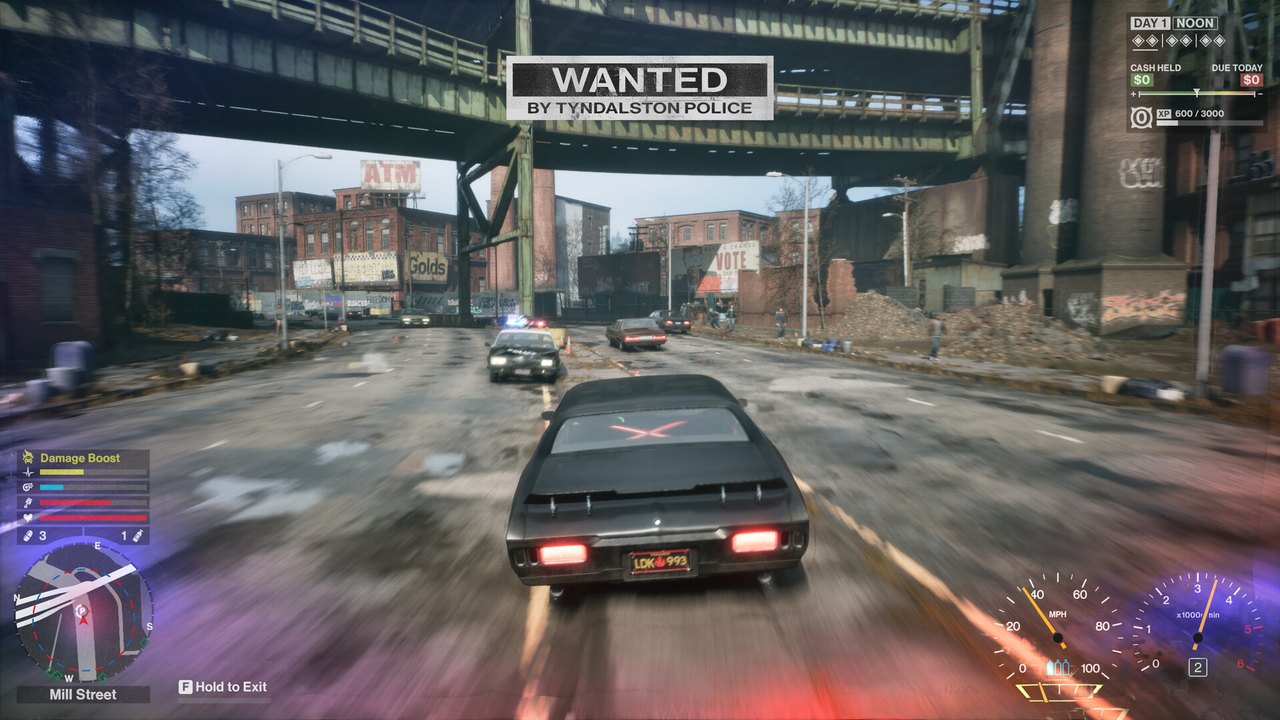
Studios usually die quietly. A LinkedIn post, a few layoffs, a store page that stops getting patches. Liquid Swords, the Stockholm studio behind Samson: A Tyndalston Story, is going out with its numbers on the table. The Stockholm District Court declared the company bankrupt on October 12, and the court-appointed receiver, Karl Björlin of the law firm Cirio, has put the business up for sale with a public notice and a set of preliminary bidding documents. Indicative bids are due on October 21 at 12:00 CEST.
The founder has already said goodbye. Vertical Slice reports that Christofer Sundberg, who co-founded Avalanche Studios before starting Liquid Swords in 2020, confirmed on LinkedIn that the studio is "closing its doors," and said Samson did not sell enough. Gamebeacon, citing the Swedish business outlet Breakit, says staff had gone unpaid for several months and that Sweden's state wage guarantee now steps in for them.
That part is sad and familiar. The unusual part is the bidding packet. It includes a sales report for Samson, platform by platform, prepared for the receiver and current as of October 14. You almost never get to see this for a mid-sized action game. I read the whole thing, and it is a better post-mortem than most of the ones studios give on stage.
Where the 151,900 copies came from
Samson launched on Steam on April 8 at $24.99. It reached PlayStation and Xbox on September 21, the same day the Steam version was re-released at half price. Here is the lifetime picture from Appendix 2 of the bidding documents, with the release dates the report lists.
| Platform | Released | Copies sold | Net revenue (SEK, approx.) | Share of net revenue |
|---|---|---|---|---|
| Steam | April 8, 2026 | 83,990 (before 18,536 returns) | 12.2M | 50.6% |
| PlayStation | September 21, 2026 | 54,380 | 9.5M | 39.4% |
| Xbox | September 21, 2026 | 13,530 | 2.4M | 10.0% |
| Total | 151,900 | 24.1M | 100% |
At the report's own conversion rate of 9.95 kronor to the dollar, SEK 24.1 million is roughly $2.4 million in net revenue for the whole life of the game.
Three things the report says out loud
The console launch nearly matched six months of Steam. PlayStation and Xbox together brought in about SEK 11.9 million in a little over three weeks. Steam took from April to mid-October to reach SEK 12.2 million. PlayStation alone did SEK 9.5 million in 24 days. If the console version had been ready in April, this might be a different story. Wikipedia's entry on the game notes that Liquid Swords laid off about half the team in 2025 and restructured Samson, cutting its ranged combat, so a staggered launch was probably not a choice made from strength.
Steam players asked for their money back. In the launch window, from April 8 to September 20, the report counts 69,899 Steam units sold and 16,707 returned. That is a 23.9% return rate. After the half-price re-release it fell to 13.0%. Now put that next to one more line from the Steamworks dashboard: median time played is 1 hour 37 minutes. Steam's refund policy gives a refund for any reason within two weeks of purchase if a game has been played for less than two hours. When the typical player stops before the two-hour line, a lot of them still have the refund button. That is a brutal number for a game built around a story campaign, and it lines up with the rough reviews Gamebeacon points to.
Interest was not the problem. The same dashboard shows 342,058 wishlists against 83,990 Steam units sold before returns, so roughly one wishlister in four actually bought it. The audience showed up. The returns came after people had played, which says the game, not the marketing, sent a lot of them back.
A median playtime under Steam's two-hour refund line is the most damaging number in the whole packet.
The money that went in
The appendix also includes the 2024 annual report. Its multi-year summary lists the company's result after financial items for each reporting period before launch: about SEK 3.1 million lost in the first period (2020/21), 22.7 million in 2022, 35.2 million in 2023 and 39.3 million in 2024. Added together, that is around SEK 100 million in losses across those four periods alone, against SEK 24.1 million in lifetime net revenue. And the summary stops at 2024, more than a year before Samson sold a copy. The same annual report says NetEase has owned a minority stake since 2022 and that Liquid Swords drew on a credit facility agreed as part of that deal.
What a buyer actually gets
Here is the shopping list from section 5 of the bidding documents, with the catches the receiver flags.
- Samson itself: source code, development and build tools, graphics, audio, design material, narrative content and documentation. NetEase holds security over these assets, so a buyer needs NetEase to release that security or consent to the transfer.
- Trademarks: "Liquid Swords" (registered in the EU, with UK and US applications pending), "StoryDeck" (pending), and unregistered marks "Criminal Justice" and "Tyndleston" (spelled that way in the document). The receiver does not say what Criminal Justice or StoryDeck were meant to be.
- Domains: a stack of liquidswords and storydeck addresses, plus thesamson.com and lifeofcrime.com. The document notes that liquidswords.com is registered to a third party.
- Not included: the Unreal Engine license from Epic Games, and the platform accounts. A buyer who wants to keep selling and patching Samson on PlayStation, Xbox, Steam and the Epic Games Store needs its own arrangements with each one.
- The people: the document lists 27 employees, who are being dismissed. Their contracts do not transfer, so a buyer who wants the team has to hire them again.
In the meantime, the estate says it will try to keep Samson supported with patches during the bidding period, so if you own it, the game should not vanish overnight.
My read
The receiver calls Samson "an action game with a strong visual identity and clear market potential." That is a sales pitch, and fair enough. But the packet tells a plainer story. A $24.99 brawler launched on one platform with problems, lost almost a quarter of its early Steam buyers to refunds, and only found real momentum on PlayStation once the studio had run out of road. The Steam page is still up, and the game is back at full price.
As for who buys it, the NetEase security is the whole ballgame. Any outside bidder has to negotiate with NetEase first, which puts NetEase in the strongest seat at the table, whether it bids or not. I would not expect a Samson 2. The more likely outcome is a quiet asset deal and a game that keeps getting patched by someone else.
We have watched a few launches go sideways this month. Sega pulled Total War: Shogun 2 Complete Edition two days after release, and Double Fine went the other way with a tiny, cheap Thank You Bus Driver under its new Action Labs banner. Samson is what happens when the launch goes wrong and there is no publisher behind the studio to absorb it. At least this time, somebody wrote down the numbers.
How we made this: researched and drafted with AI assistance. Sources are linked in the piece.
How we made this: researched and drafted with AI assistance. Sources are linked in the piece.
Original commentary based on public reporting. Not a reprint. Editorial standards.