
BioWare is closing, and the next Mass Effect goes with it
EA is shutting BioWare and its Edmonton studio and ending early work on the next Mass Effect. Here is the engine-by-engine history of what the studio built, and why the end looks the way it does.

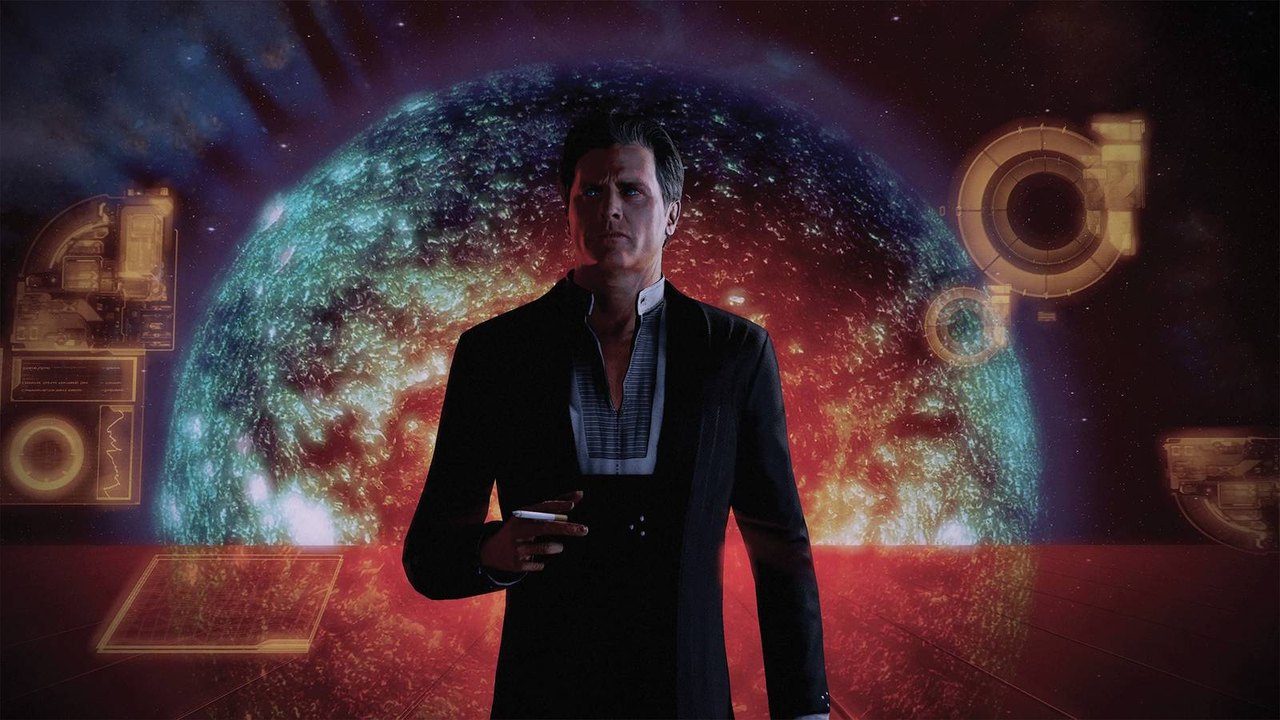
I have been writing about dead hardware for a long time, and it usually goes the same way. A thing stops being made, and then a few years later somebody notices. BioWare did not get the slow version. On Wednesday the studio posted a short note on its own BioWare blog that said it plainly: "BioWare is closing and early development on the next Mass Effect project is ending."
That is the whole announcement from the studio side. Six paragraphs, a list of its games, and a thank you. The note runs the roll call in order: Baldur's Gate, Neverwinter Nights, Star Wars: Knights of the Old Republic, Dragon Age, Mass Effect, Anthem. Anthem made the list. I respect that, honestly. You do not get to pick your family photo on the last day.
What EA actually said
The parent company's version came in a staff letter. Polygon's report, citing Bloomberg, says the memo from EA chief operating officer David Tinson and chief studios officer Cam Weber told employees executives had "taken a hard look at our business." The BioWare part reads like a footnote: "we've had a small team at BioWare working on early-development for Mass Effect. We've made the decision not to move forward with this development, which means we're closing the studio and our Edmonton workspace."
The numbers, per Polygon and Bloomberg: around 400 EA layoffs, about 50 of them at BioWare. EA keeps going on a new Star Wars Jedi game, Marvel's Iron Man and what Polygon describes as a new Star Wars Battlefront project from Respawn and DICE. A Sims project codenamed Project Lotus is paused. The backdrop is the August buyout that took EA private in a $55 billion deal led by Saudi Arabia's Public Investment Fund, Silver Lake and Affinity Partners, which Polygon says left the company carrying roughly $18 billion in debt.
So the shorthand everyone is using, "Mass Effect 5 is canceled," is accurate but a little generous. What died was an early project run by a small team. That is sadder in a way. It means the game most fans were waiting on, the one teased at The Game Awards in December 2020, never got out of the early stage in almost six years.
What died was not a finished game. It was a small team still in early development, almost six years after the first teaser.
The people who were on it
Some of the writers are now talking. IGN rounded up posts from novelist Catherynne M. Valente, who answered a fan complaint about the industry with "We did figure it out. We were working on a great game. Just saying." Science fiction author Derek Künsken told followers he had worked on the project "on and off" for five years. IGN also says the Prime Video Mass Effect series is still in active development, which is a strange sentence to read on the day the games stop.
I am not going to guess what that game was. Nobody outside the room knows, and the writers themselves say they are still figuring out what they are allowed to share. What I can do is put the studio's history in one place, because the shape of it explains a lot.
Every BioWare era, by the engine it ran on
BioWare built or licensed a new engine for nearly every phase of its life. The dates and engine names below come from the BioWare Wikipedia entry, which cites the original announcements. The last column is my read, not theirs.
| Era | Key games | Engine | My read |
|---|---|---|---|
| 1998 to 2001 | Baldur's Gate series | Infinity Engine (in house) | Licensed to Black Isle for Planescape: Torment and Icewind Dale. BioWare's tech made other studios' classics too. |
| 2002 | Neverwinter Nights | Aurora (in house) | Shipped with a toolset. Fans made over a thousand modules in six months. CD Projekt Red later built The Witcher on it. |
| 2003 to 2005 | Knights of the Old Republic, Jade Empire | Odyssey (in house) | First BioWare engine built for consoles. Both games launched on the original Xbox. |
| 2007 to 2012 | Mass Effect trilogy | Unreal Engine 3 (licensed 2004) | The run everyone is mourning today. Also the base for the 2021 Legendary Edition. |
| 2009 to 2011 | Dragon Age: Origins, Dragon Age II | Eclipse, then Lycium (in house) | Like Neverwinter Nights, Origins came with a toolset for player-made adventures. |
| 2013 onward | Dragon Age: Inquisition, Mass Effect: Andromeda (March 2017), Anthem, Dragon Age: The Veilguard (October 31, 2024) | Frostbite 3 (EA mandate) | EA confirmed in 2013 that all BioWare games would use DICE's Frostbite. That policy was dropped in 2023. Inquisition aside, this row is where the trouble lives. |
Read that last row again. For roughly a decade the studio that had built five engines of its own was told to build role-playing games on a shooter engine, and after Inquisition, what came out the other end was Andromeda, Anthem and The Veilguard. I am not saying the engine alone sank them. Wikipedia also records a long list of senior departures in that stretch. But when the mandate ended in 2023, there was not much runway left. Veilguard "engaged" 1.5 million players in its first quarter, which EA said was about half of what it expected, and the cuts that followed in January 2025 shrank the studio again.
What happens to the games
The question I keep seeing is whether EA will sell Mass Effect or Dragon Age. IGN notes former BioWare executive producer Mark Darrah thinks a sale is now "more likely," while still urging caution. That is a guess from a smart insider, not a plan. For now the practical answer is simpler. The old games are still out there. Mass Effect Legendary Edition exists. The Infinity Engine games live on in Beamdog's enhanced editions. If you want to hold a wake, you can still play the whole family album.
This has been a heavy month for studios. Earlier this week I went through the Samson bankruptcy papers, and Miles has been tracking the D&D union vote at Wizards of the Coast. Different companies, same story underneath: the people who make the things we love are the first line item to go.
BioWare's note ends by thanking players for being "the most meaningful part of our story." I would put it the other way around, but I take the point.
How we made this: researched and drafted with AI assistance. Sources are linked in the piece.
How we made this: researched and drafted with AI assistance. Sources are linked in the piece.
Original commentary based on public reporting. Not a reprint. Editorial standards.